

WORSHIP
REFORMATION DAY - Free Indeed. Worship: October 25, 2026
Do you feel up for fireworks? Our remembrance of Reformation Day has a lot in common with American Independence Day. It is a day of proclaiming daring declarations, remembering the brave and the bold, and basking in the freedoms won for us. Martin Luther’s name may come up more today than usual, but Pastor Luther would be quick to steer the attention back to Jesus. There would be no Ninety-Five Theses without Jesus’ declaration “If the Son sets you free, you will be free indeed” (John 8:36). The boldness of the reformers was only fueled by the bravery of Christ, facing the challenge of this world’s darkness on their behalf. The freedoms the church celebrates on Reformation Day were not won in the 1500s but at the cross and empty tomb “through the redemption that is in Christ Jesus” (Romans 3:24). So light the fireworks. Celebrate freedom. Christ sets the sinner free!
The Two Greatest Commandments. Worship: October 25, 2026
Though many congregations observe Reformation on the last Sunday in October, there are those who keep it on the day appointed. For those, the propers of the day place us in conversation with Jesus about the greatest commandment and a discussion of David. This is not unrelated to the issues that gave birth to the Reformation—Law and Gospel and the confession of who Christ is. Jesus spoke well to those who questioned Him—so well that from that day on no one dared question Him anymore. As hard as it is to admit, we do not reason ourselves into the kingdom of God but enter by faith, trusting in Christ who fulfills all the Law and the Prophets and the promise of salvation as David’s Son and David’s Lord.

Thankful Tribute. Worship: October 18, 2026
There are certain “givens” in our earthly lives. In a letter written in 1789, American statesman Benjamin Franklin wrote: “In this world nothing can be said to be certain except death and taxes.” Paying taxes is one of those unavoidable duties we have as citizens of our nation. Paul directed the Christians at Rome to pay “taxes to whom taxes are owed” (Romans 13:7) as part of their ongoing responsibilities. Jesus and His disciples also paid taxes (Matthew 17:24–27). While paying taxes may not be a joy-filled experience, giving from what God has given us to support the work done in our Lord’s name can be a source of joy as we bring an offering and come into His courts to “worship the Lord in the splendor of holiness” (Psalm 96:8–9).
The Swallowing of Death. Worship: October 11, 2026
What is more difficult to believe: a fable about a man defeating a deadly dragon by eating it or a prophet’s prediction that the Creator God would defeat death itself by swallowing it? What does Isaiah, the prophet, mean by saying God “will swallow up death forever” (Isaiah 25:8)? Does God eat?
The mighty, eternal, creator God is life Himself and has no need for sustenance. In order to “swallow death,” God took on our human form. We die because of the corruption of sin. To “swallow death,” the incarnate Savior “ate,” or consumed, death by taking the sin of the world onto Himself on the cross of Calvary. Jesus did not die for Himself. Jesus died your death for your sin. So it is that when a sinner is baptized into Christ Jesus, he or she is “baptized into His death” (Romans 6:3). Thereby, “you have died, and your life is hidden with Christ in God” (Colossians 3:3).
Even with saving faith in Christ, we still have Christian funerals. But by faith we wait, hope, and fully expect to be raised in the resurrection to eternal life, to be present at the great feast of salvation. In Christ, the enemy, death itself, has been transformed for us by God now to be but His divine remedy, freeing us from sin and eternal death. Therefore, by faith in Christ we no longer need to fear death but rather can see it as a peaceful sleep from which we are promised to be awakened to eternal life and the wedding feast of the Lamb in His kingdom.
Master Strange Love. Worship: October 4, 2026
“God loves you.” It is not like we have never heard that before. We may even have taken that fact for granted, thinking, “Well, of course He does! That’s His thing! 1 John 4:8 says that God is love.” Nevertheless, as our lives and circumstances unfold, through the uncertainties of sin and doubt and failure, many have come up short and been forced to wonder, “How can God love me now?” Love, after all, is always in direct proportion to our worthiness of it, to how lovable we are, right?
The highest love of God, agape, can commonly be defined as the love of intelligence and corresponding purpose. This definition may seem at first to drain the whole idea of the depth of emotion or the value of love. But we discover the power of God’s love even more as we are convinced of the greatness of our need—our own sin and unworthiness. That’s when the cross of Calvary and the sacrifice of Christ crucified shines forth as the highest, greatest, and almost unbelievable love of God for you—even you. Notice how many of today’s hymns examine the depth and, yes, “strangeness” of the fact that God loves you.
My Pleasure. Worship: September 27, 2026

From the beginning, God implanted His life-creating power into His creation with the command “Be fruitful and multiply” to animals (Genesis 1:22) and to humans (1:28), with one important difference. You are not an accident or only a product of biology. Every human being is a personal soul. So we confess, “I believe that God has made me and all creatures; that He has given me my body and soul, eyes, ears, and all my members, my reason and all my senses, and still takes care of them” (Small Catechism, Creed, Explanation of the First Article). Because of our inherited sin, however, “the soul who sins shall die” (Ezekiel 18:4). Nevertheless, God’s design is for life—eternal life. He declares, “I have no pleasure in the death of anyone” (18:32). Because God so loves you, He sent His Son to take away your sin by the shedding of His blood on the cross. Therefore, “we preach Christ crucified, . . . the power of God and the wisdom of God” (1 Corinthians 1:23–24). Christ died to sin for you. By Holy Baptism, you died with Christ and are raised to new life in Him. The love of God is yours today by faith in the cross of Jesus Christ. The Father’s declaration of Jesus now becomes yours: “My beloved Son, with whom I am well pleased” (Matthew 3:17).
Do Not Begrudge God’s Generosity. Worship: September 20, 2026
On the surface, the parable of the laborers in the vineyard seems wrong. Shouldn’t the worker receive the wages he or she deserves for his or her time and labor? It offends our sense of fair play that one who worked less should receive the same as one who worked more. If you only focus on the perspective of the laborer, that might seem true, but if you focus on the generosity of the vineyard owner, you get a very different perspective. God’s mercy is not the reward for our labor but a pure gift of grace given to those who deserve none of His kindness. When you begin to look at this parable from that perspective, God’s abundant generosity becomes clear. The Lord does what none of us would do—forgives all our sins, no matter how great, and bestows upon us the mercy and salvation we did nothing to earn and could never deserve. How can anyone begrudge Him such generosity?
Who Is Counting? Worship: September 13, 2026
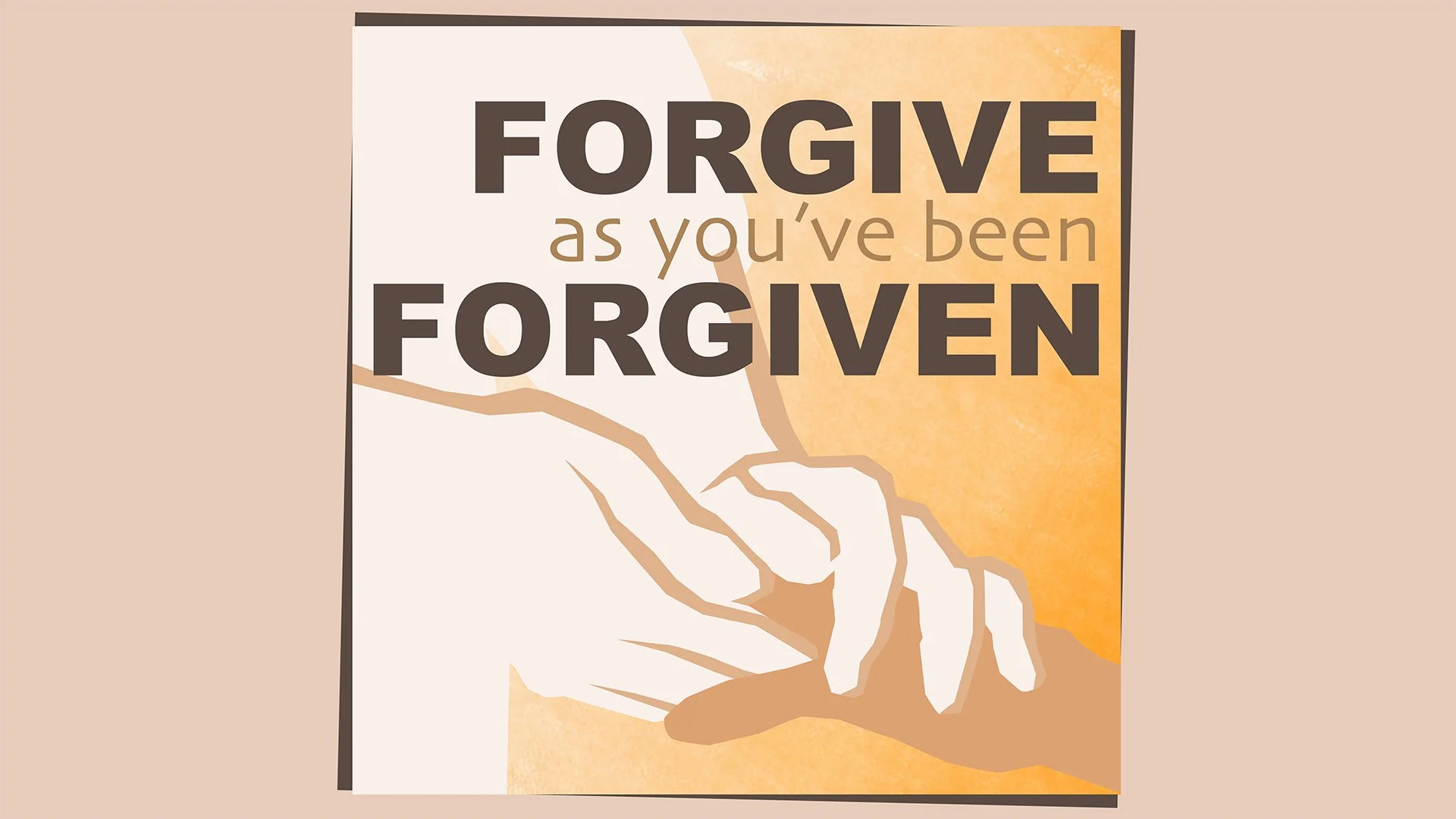
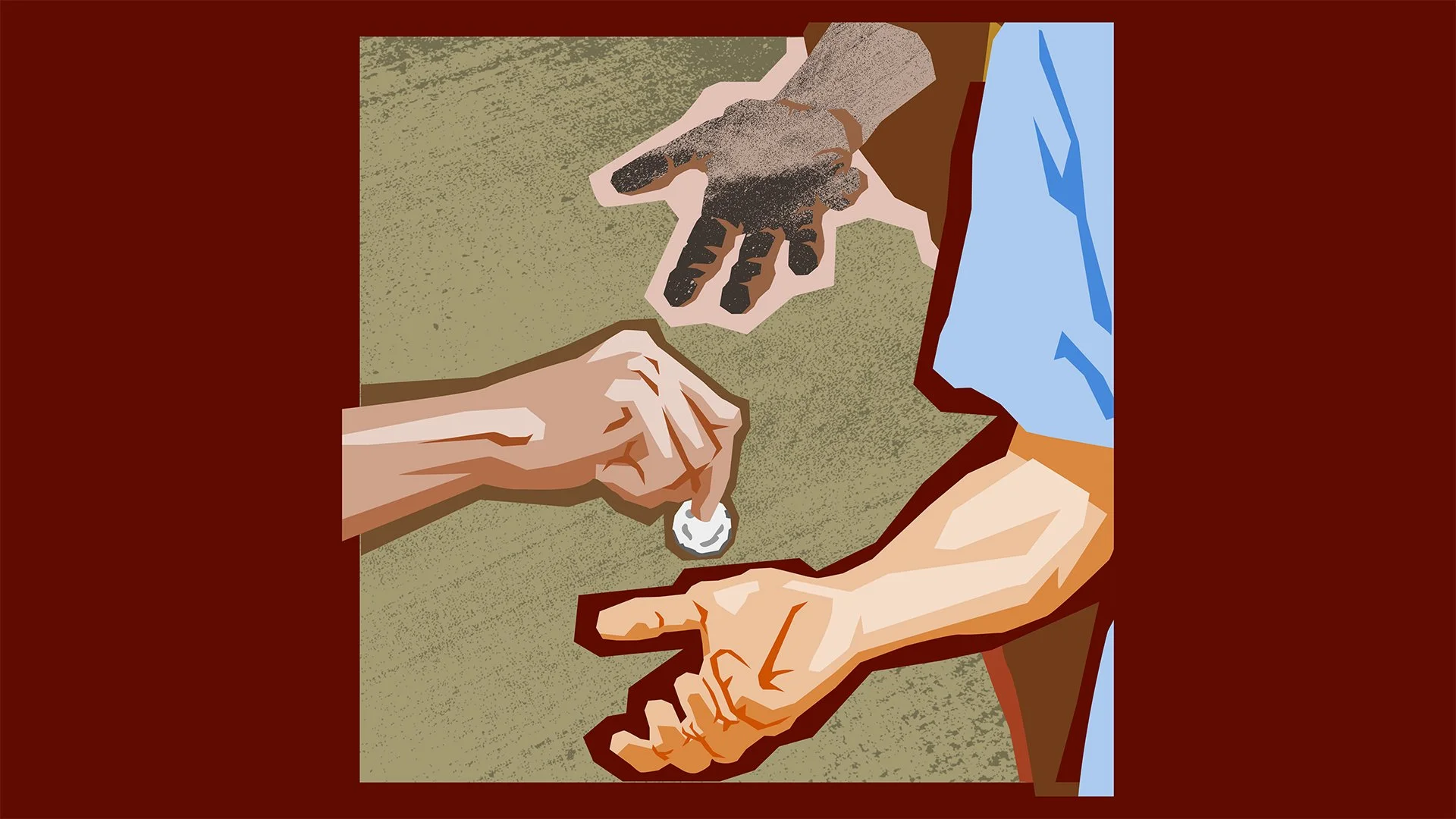
We know it is our calling in Christ to forgive one another, but that does not answer how much or how often we should forgive others. It becomes a particularly vexing question when we are asked to forgive the same sin over and over again. The great temptation is for us to make forgiveness conditional upon the person no longer offending us with their words or actions, but God applies no such condition upon us. Our temptation is to count how often we forgive but to forget how often we are forgiven. Our weakness counts the sins of others, but could it be that God counts only the times we refused to forgive from the heart? We know the riches of the Lord’s limitless grace to forgive us without counting the cost. Today, we pray that we may joyfully receive this precious gift of forgiveness and joyfully forgive others in Christ’s name, counting not the cost to forgive but the cost to refuse forgiveness.
Warning the Wicked. Worship: September 6, 2026
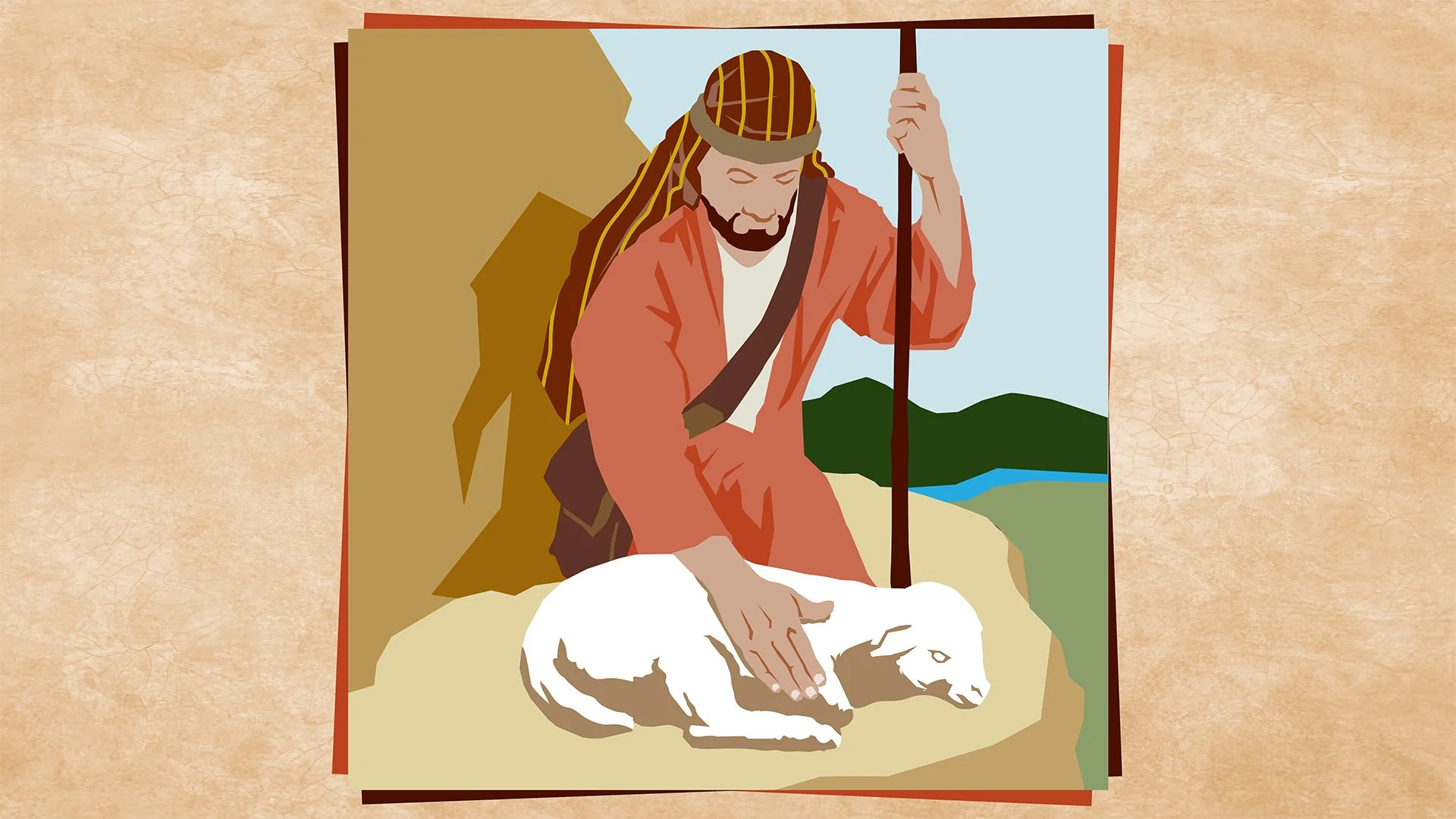
In every congregation, there are those who once sat together with us in the pews but have since been lost to error or sin. Those who used to be Christian may constitute a number larger than those who are currently Christian. It is one thing to lament this and criticize from the sidelines. It is quite another to warn the wicked. Though some might assume that the chief purpose of church discipline is to condemn the sins and errors of others, our Lord reminds us that discipline is an act of love that seeks to restore the fallen. While this idea may seem out of step with the emphasis in our times on tolerance without judgment, if our Lord loves the lost enough to save us, then we are called to do no less. Key to this is warning the wicked (as Ezekiel puts it) with the voice of God’s Word. This certainly includes condemning sin and error, but it also includes restoring the fallen through forgiveness. It is not the will of our Father in heaven that any should perish, and it is the joy of heaven to welcome them back. Is it also our passion to seek them out, to warn them with the voice of God’s Word, and to welcome them home through forgiveness?
Walking Faithfully. August 30, 2026
The time of changing seasons is a good time to begin an outdoor regimen of walking for personal wellness. Experts in the field of fitness have documented that going for a walk outdoors can bring a sense of physical betterment and mental calmness to those who engage in it on a regular basis. In the Scriptures there are numerous passages that underscore the value of spiritual walking for the Christian as well. Paul writes to the Galatians, “But I say, walk by the Spirit” (5:16), and he reminds the believers in Christ at Corinth that “We walk by faith, not by sight” (2 Corinthians 5:7). Hymn writers give poetic expression to that special walking in texts like “Let us ever walk with Jesus” (LSB 685:1) and “I want to walk as a child of the light” (LSB 411:1). May we be blessed by our walking through the Divine Service together this day!